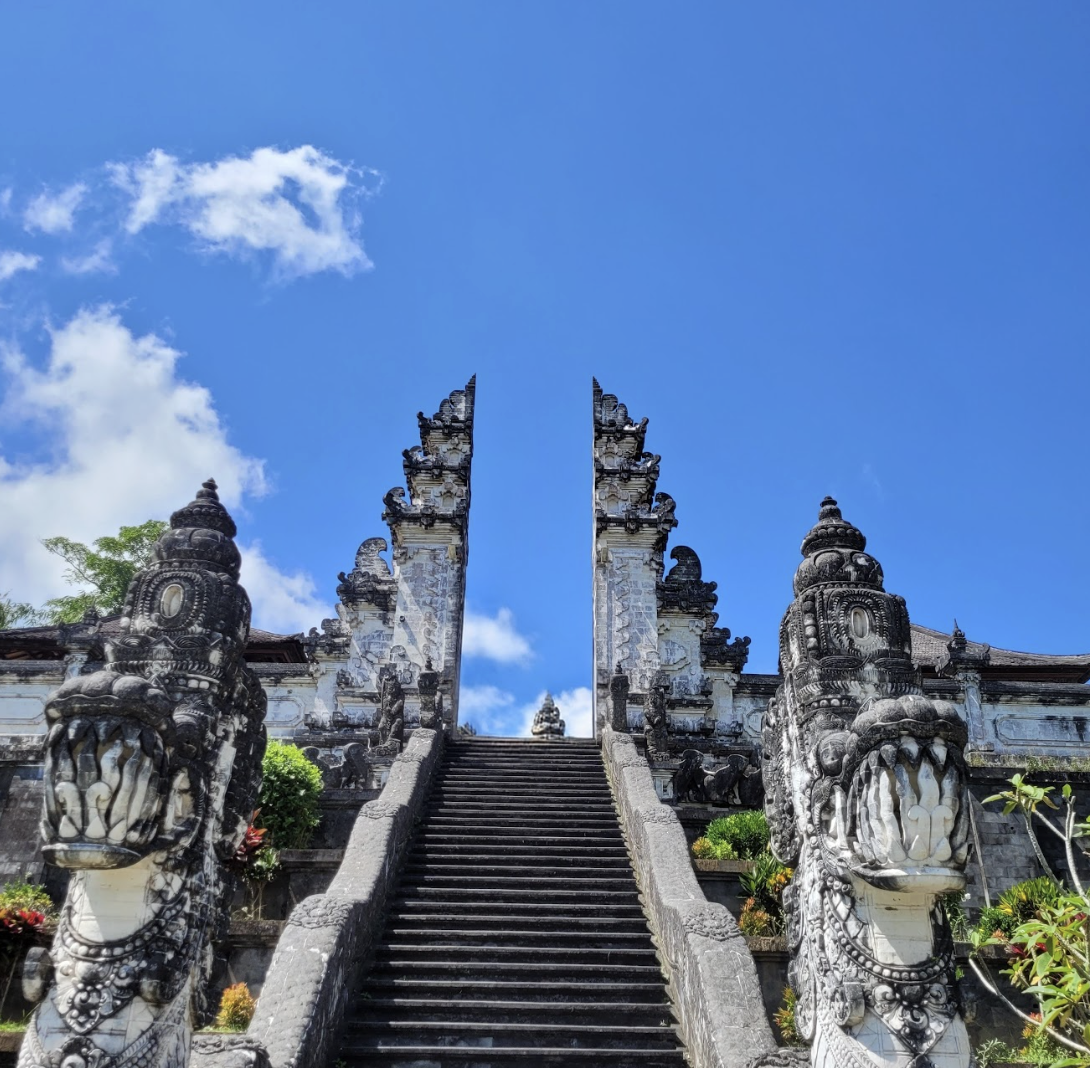
On March 19, Bali plunges into a sacred silence for 24 hours to mark Balinese New Year also known as Nyepi or Day of Silence.
The entire island goes dark as people retreat from work, chores and daily lives into a meditative period of self-reflection and renewal.
Speaking of Nyepi Day, a local tour guide Wira says, “The meaning of our new year is that it is only for meditation, no work, no going out from the house, no cooking, no fire, no eating, no drinking.”
Here’s everything you need to know about Nyepi Day and the rituals that come before the day of silence.

What is Nyepi Day?
On Nyepi Day, people in Bali stay indoors for 24 hours, from sunrise to sunrise the next day, performing what is known as Catur Brata Penyepian or Seclusion Ceremony, as another local guide Wayan adds.
While the ritual of silence began at 6 am on March 19 this year, the celebrations also involves a series of other ceremonies and rituals, including Melasti, Tawur Kesanga, Pengerupukan, and Ngembak Geni.
What is the history of Nyepi Day?
Rooted in India’s Saka calendar system – beginning in 78 AD – the ritual of Nyepi Day was introduced to Indonesia by India.
The first month of the Saka calendar, Chaitra, falls between March and April of the Gregorian calendar, which is when Nyepi is traditionally celebrated.
Nyepi Day is traditionally thought to mark renewal, cleansing and harmony for the people of Bali.
What are the ceremonies before Nyepi Day?
The Melasti ritual is performed some days before before Nyepi. Wira explains, “The purpose of this ritual is cleaning all the objects in our temple in water as well as cleaning our body and soul to prepare for Nyepi day.”
Wayan adds that another ritual is the Tawur Kesanga where people everywhere in Bali give offerings to Bhuta Kala, which is considered a representation of negativity and destruction in Balinese Hinduism.
“Nyepi Day is respected by all in our culture, even tourists also only stay at the hotel, they don’t go out from the hotel, in the evening there is no more lighting, so for one day Bali is dark.” – Wira, local guide
Then, a day before Nyepi, the Pengerupukan ceremony is held with a ogoh ogoh parade, where giant effigies symbolic of demons and the dead, are paraded around and burned.
Wira explains “For ogoh ogoh we make the symbol of the devil, so that all the devil and evil in Bali are given warning not to disturb us when we do meditation on Nyepi Day.”
What happens on Nyepi Day?

On Nyepi Day, people are expected to follow certain strict rules. This includes; Amati Geni, which prohibits lighting fires, electricity, lights. Amati Lelungan, prohibiting travel and encouraging staying indoors, and Amati Karya, a prohibition on working for 24 hours.
For one day, nothing except police and hospitals work in Bali. The airports and harbours are closed, streets are free of vehicle, electricity and internet off are also off.
Wayan explains, “Bali goes completely silent, with no activity,” with Wira adding, “Nyepi Day is respected by all in our culture, even tourists also only stay at the hotel, they don’t go out from the hotel, in the evening there is no more lighting, so for one day Bali is dark. For 24 hours Bali becomes less polluted as well.”
Finally at 6 AM on March 20, people enter the final stage of Nyepi celebration known as Ngembak Geni, marking the end of the seclusion period as people of Bali re-emerge to return to their daily lives.
(Images file photo of Bali courtesy of Malvika Padin)
Did you know about Nyepi Day? Let us know! Visit Lyrical Muse for more global culture coverage.


Leave a Reply