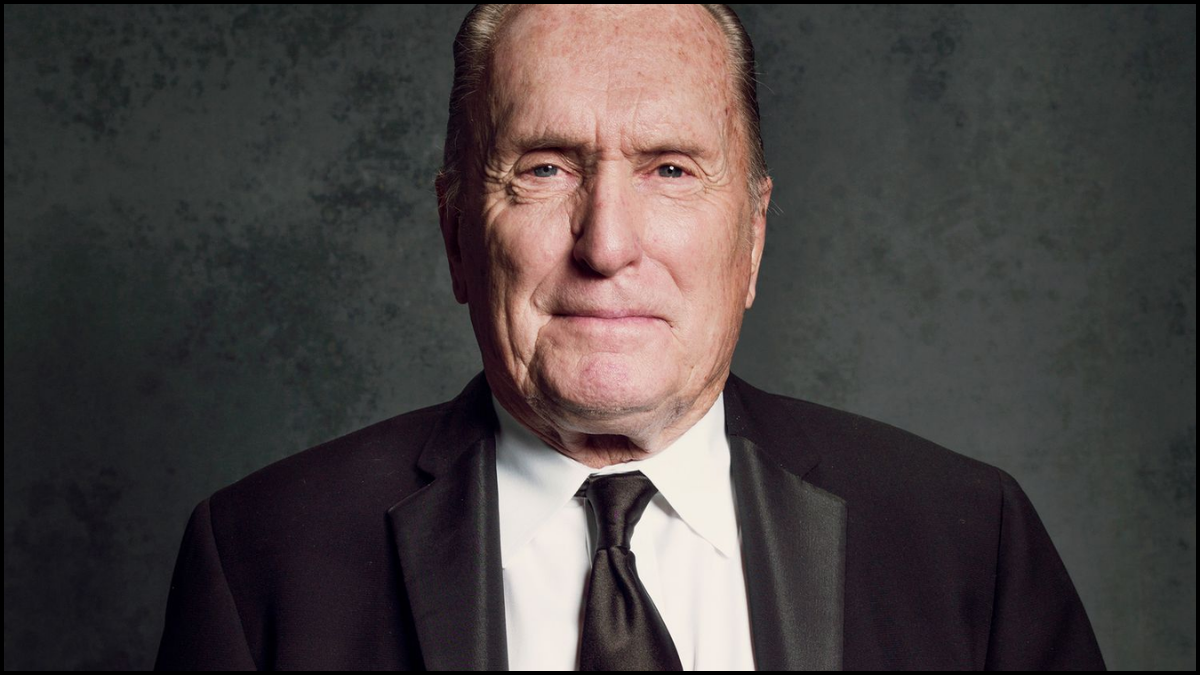
Hollywood rarely produces actors who feel carved from the same grain as the country they portray. Robert Duvall was one of them. The Oscar winner, who passed away on February 15, 2026 at the age of 95, leaves behind a body of work that reads like a masterclass in American screen acting.
For more than six decades, he embodied the roles of soldiers, outlaws, lawyers, preachers and patriarchs with a stillness that commanded attention. He never strained for effect; he simply inhabited the man. In tribute to a career that shaped modern cinema, here are our picks of Robert Duvall’s greatest films.
Tender Mercies (1983)
Robert Duvall delivered an Academy Award-winning performance as Mac Sledge, a washed up, alcoholic country singer clawing his way toward redemption through a new life in rural Texas. Directed by Bruce Beresford, Duvall strips all traces of vanity from the role and lets silence do the heavy lifting, so that every glance and every dialogue feels lived in. It remains one of the most honest portraits of broken masculinity ever put on screen.

The Godfather (1972)
In The Godfather (1972) and The Godfather Part II (1974), Robert Duvall’s Tom Hagen stands as the Corleone family’s quiet strategist, the adopted son who advises rather than commands. While violence and ambition swirl around him, Duvall holds the center with remarkable restraint. He never raises his voice to assert authority; instead, he relies on his calm intelligence gives the crime saga its moral tension. Only few supporting roles turn not just memorable but indispensable.

Apocalypse Now (1979)
In Coppola’s masterpiece Apocalypse Now, Lieutenant Colonel Kilgore could easily have slipped into parody. Instead, Robert Duvall shapes him into a figure both magnetic and deeply unnerving. With an easy grin and supreme confidence, he treats combat like spectacle, revealing a strain of American bravado that borders on delusion. Though he appears on screen for barely a quarter of an hour, his presence dominates the film’s cultural memory and earned him an Academy Award nomination for Best Supporting Actor.

The Apostle (1997)
A deeply personal project that he both wrote, directed and self-financed, the film finds Duvall working at full creative stretch. As Sonny Dewey, a flawed Pentecostal preacher chasing redemption while outrunning his past, he delivers a performance steeped in contradiction. Duvall resists easy moral framing, portraying a man whose faith is sincere even when his actions are not, and in doing so compels the audience to confront the uneasy space between devotion and ego.

Lonesome Dove (1989)
Though technically a CBS miniseries, Lonesome Dove stands as one of the towering achievements of the American Western. As retired Texas Ranger Augustus “Gus” McCrae, Robert Duvall delivered a performance packed with wit, weariness and hard earned wisdom. He infused the frontier hero with mischief and melancholy, turning what could have been folklore into flesh and blood.
Duvall often described Gus as his “Hamlet,” the role he cherished most, and it earned him an Emmy nomination. In fact, Texas embraced him so completely that he was named an honorary Texas Ranger, a rare tribute to how fully he captured the spirit of the West.

The Great Santini (1979)
Robert Duvall delivers a fierce, tightly controlled performance as Lieutenant Colonel Bull Meechum, a Marine fighter pilot who runs his home with battlefield discipline. He balances the character’s swagger with flickers of insecurity, exposing a man who equates authority with survival. In scenes like the tensed basketball showdown with his son, Duvall reveals how Bull’s relentless need to win slowly fractures his own family. The performance resonates so powerfully because Duvall refuses to soften the character’s harshest edges, allowing the damage Bull inflicts to feel painfully real rather than theatrically heightened.

To Kill a Mockingbird (1962)
In To Kill a Mockingbird, Robert Duvall announced himself to Hollywood with remarkable assurance. As the reclusive Boo Radley, he spoke barely a word and appeared only briefly on screen, yet he transformed the town’s ominous folklore into something achingly human. Through stillness and an unguarded, searching gaze, he commanded the frame without demanding it. That nearly silent debut became the first glimpse of a career that would shape American cinema for decades.

Network (1976)
In Network, Robert Duvall delivers one of cinema’s most incisive portraits of corporate ruthlessness as Frank Hackett, a network executive who treats news as product and outrage as currency. Cool, calculating and quietly menacing, he pushes spectacle over substance and exploits a breakdown for ratings without a flicker of doubt. Duvall never overplays the villainy; he lets ambition speak through clipped authority and controlled fury, becoming the film’s most chilling symbol of profit eclipsing principle.

Even beyond the films we’ve highlighted, Robert Duvall never stopped delivering performances marked by integrity and quiet force. He made every character he ever played feel authentic, whether hero, outlaw, patriarch or preacher. He leaves behind a legacy that will continue to shape generations of actors and film lovers, and he will be deeply missed.
Rest in peace, Robert Duvall.
(Image Credits: IMDb)
Revisit his classics and share your favorite Robert Duvall performance with us on X and Instagram. For more timeless film features, explore Lyrical Muse.


Leave a Reply