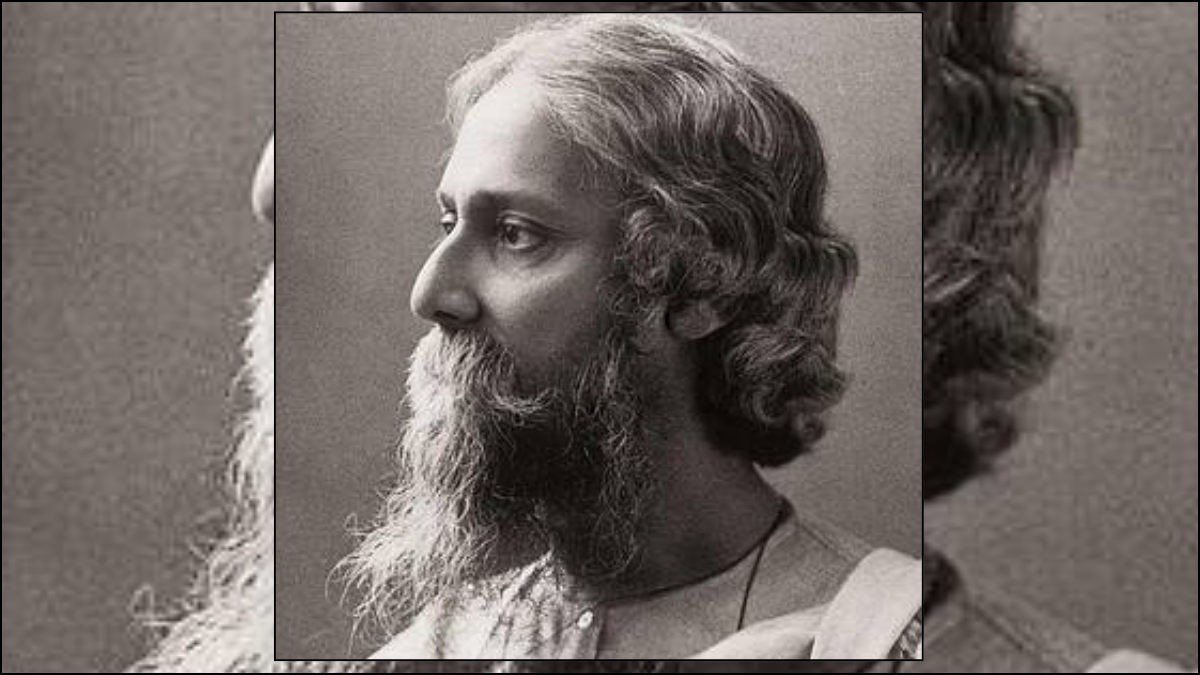
As India prepare to mark the 165th birth anniversary of Rabindranath Tagore, celebrations this year are once again unfolding across two dates – May 7 and May 9 – reflecting both a national observance and a deeply rooted cultural tradition that continues to define Bengali identity generations later.
Rabindra Jayanti is officially observed across India on May 7, marking the birth of the Nobel laureate poet, philosopher, composer and educationist who was born on May 7, 1861, at the historic Jorasanko Thakur Bari in Kolkata.
Yet in West Bengal and Bangladesh, the celebrations hold a different rhythm. There, the occasion is celebrated on the 25th day of the Bengali month of Boishakh, popularly known as Pochishe Boishakh. In 2026, that date falls on May 9.
The dual observance stems from the coexistence of the Gregorian calendar and the traditional Bengali calendar. While the rest of the country follows the internationally recognised date of May 7, Bengal continues to honour the day according to the Bengali almanack, preserving the cultural and emotional significance attached to Tagore’s birth date in the regional calendar.

Across Kolkata, Santiniketan and several Bengali communities around the world, the occasion is marked through poetry recitations, Rabindra Sangeet performances, dance dramas, literary discussions and cultural gatherings dedicated to Tagore’s vast body of work.
At Visva-Bharati University in Santiniketan — the institution founded by Tagore himself — celebrations remain among the most prominent, drawing students, artists and admirers every year.
Widely referred to as Gurudev, a title affectionately given to him by Mahatma Gandhi, Tagore remains one of the most influential cultural figures in Indian history. In return, Tagore is also credited with addressing Gandhi as “Mahatma,” reflecting the mutual admiration shared between the two towering figures of modern India.
In 1913, Tagore became the first Asian and the first non-European to receive the Nobel Prize in Literature for Gitanjali, his celebrated collection of poems that introduced his literary brilliance to the world stage.
His influence, however, extended far beyond poetry. Tagore reshaped Bengali literature and music, wrote essays and plays, painted extensively later in life, and championed an education system rooted in creativity, nature and cultural freedom rather than rigid colonial structures.
His legacy continues to live through music as well. Tagore remains the only person to have composed the national anthems of two nations: India’s “Jana Gana Mana” and Bangladesh’s “Amar Sonar Bangla.” Sri Lanka’s national anthem was also inspired by one of his compositions.
Tagore’s life was equally defined by his political and moral convictions. Though knighted by the British Crown in 1915, he renounced the honour after the Jallianwala Bagh massacre in 1919, condemning colonial brutality in one of the most significant symbolic protests of the freedom movement.
More than eight decades after his death in 1941, Tagore’s words, music and philosophy continue to resonate across generations. From classrooms and concert halls to literary festivals and quiet personal readings, Rabindra Jayanti remains less a ritual and more a celebration of art, intellect and cultural memory.
Whether observed on May 7 or celebrated as Pochishe Boishakh on May 9, the occasion continues to honour a figure whose influence transcended literature and geography, shaping not only Bengal’s cultural identity but also India’s modern intellectual history.
(Featured Image Credit: Courtesy of Wikimedia Commons)
Share your reflections of Rabindra Jayanti with us on X and Instagram, and visit Lyrical Muse for more culture and literature features.


Leave a Reply