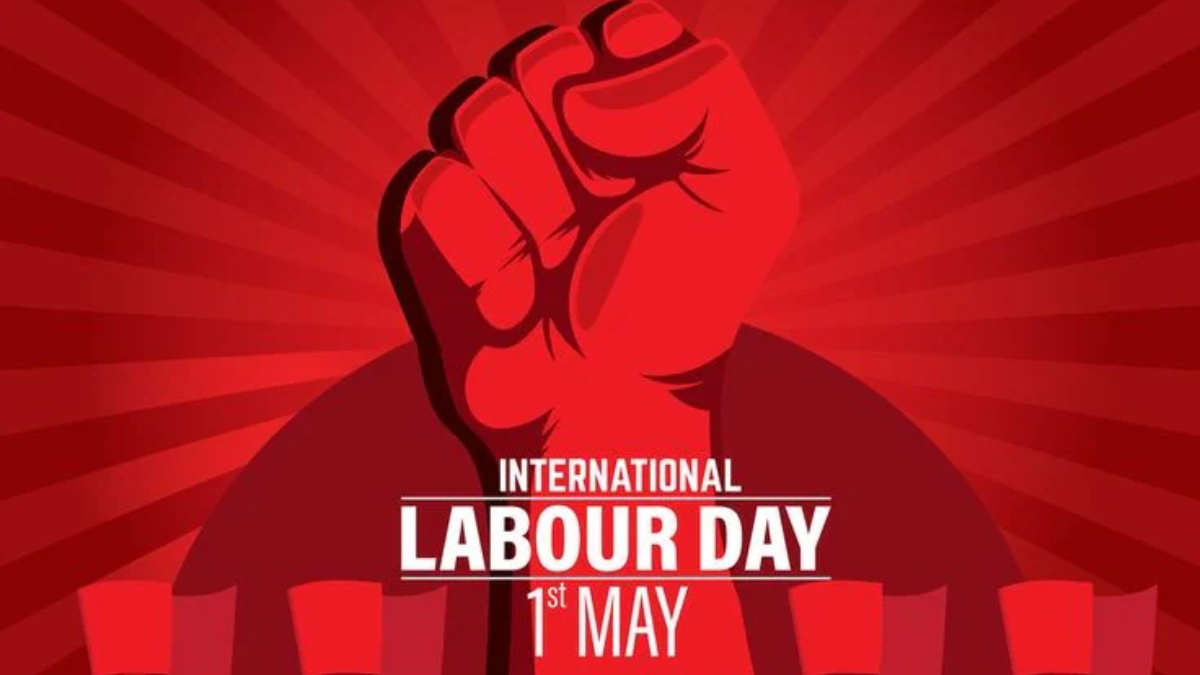
International Labour Day, also known as International Workers’ Day or May Day, is observed on May 1 every year in most countries. It recognises the contribution of workers and the working classes whose labour underpins economies and societies worldwide.
The origins of the day are closely tied to the industrial expansion of the 19th century, when long working hours and poor conditions triggered growing labour unrest across Europe and the United States.
One of the earliest recorded actions came in 1856, when stonemasons in Victoria, Australia, staged a mass stoppage demanding an eight-hour working day. The movement became an early reference point for labour campaigns that followed.
A defining moment came in 1886 in the United States, when workers launched a nationwide strike on 1 May demanding an eight-hour workday. The protests in Chicago escalated during what became known as the Haymarket affair, after a bomb was thrown during a labour rally and police opened fire on the crowd.
Several people were killed, and labour leaders were later arrested and executed following controversial trials. The incident marked a turning point in the global labour movement and strengthened calls for organised labour rights.
In 1889, the Second International, a meeting of socialist and labour organisations in Paris, declared 1 May an annual day of international worker demonstrations. The date was chosen to commemorate the 1886 strikes and to support demands for the eight-hour working day. From 1890 onwards, it began to be observed across Europe, the United States and several other regions.
Today, International Labour Day is a public holiday in more than 80 countries. It is marked by rallies, union-led marches and public events highlighting workers’ rights and ongoing concerns around wages, safety and job security. In countries such as China, Vietnam and Cuba, it is also observed through official ceremonies and large public gatherings.
While rooted in industrial-era struggles, many of the issues that shaped International Labour Day remain relevant. Questions around fair wages, job security and safe working conditions continue to define labour debates across sectors.
In several countries, workers continue to face challenges linked to informal employment, limited social protection and widening income inequality. The rise of gig and platform-based work, along with the integration of artificial intelligence into workplaces, has also raised new questions around employment classification, benefits and long-term stability.
At the same time, enforcement of labour protections and workplace safety standards continues to vary widely across regions, leaving sections of the global workforce exposed to vulnerability and exploitation. These concerns keep labour rights central to policy discussions and collective bargaining efforts worldwide.
Beyond its historical origins, International Labour Day continues to reflect ongoing debates around dignity of work, economic fairness and workplace protections. It remains both a commemoration of past struggles and a reminder of present-day labour realities.
Share your thoughts on International Labour Day and what it means to you on X and Instagram. For more stories and coverage, visit Lyrical Muse.


Leave a Reply