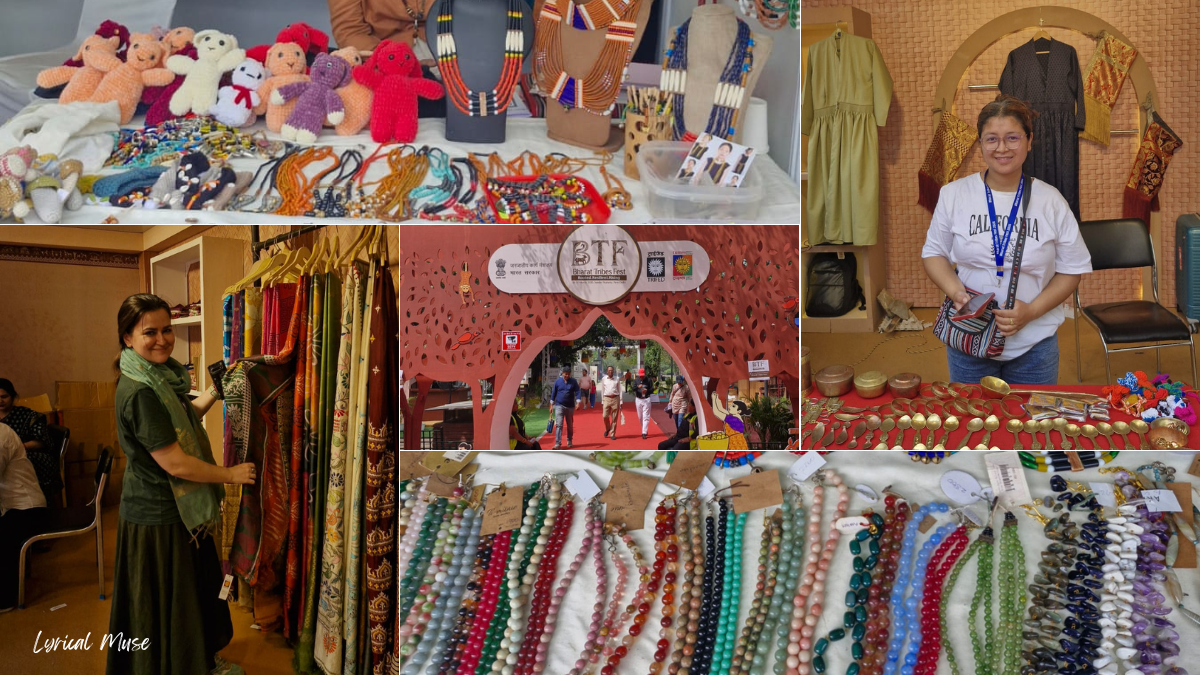
For a few weeks this spring, one of New Delhi’s most historic public spaces has become a meeting point for indigenous artists, artisans, performers and entrepreneurs from across India.
Set against the landscaped grounds of Sunder Nursery, the Bharat Tribes Fest has transformed the heritage venue into a vibrant showcase of living tribal traditions, bringing together art, craft, food, fashion and cultural performance under one roof.

Organised by the Ministry of Tribal Affairs in collaboration with the Tribal Cooperative Marketing Development Federation of India (TRIFED), the festival moves beyond the conventional idea of a handicrafts fair. Instead, it presents India’s tribal communities through the work they continue to create today, placing traditional knowledge, artistic practice and contemporary enterprise at the heart of the experience.
Across the festival grounds, more than 200 curated stalls bring together handcrafted textiles, jewellery, paintings, home décor, forest-based products and artisanal goods from tribal communities representing 28 states, alongside participation from 78 Van Dhan Vikas Kendras across 22 states.


The festival also brings together more than 1,000 artisans, entrepreneurs and community producers, creating one of the country’s largest public showcases of indigenous craftsmanship. Rather than displaying finished works alone, many artisans demonstrate their techniques in real time, offering visitors an opportunity to understand the skill, patience and generations of knowledge behind each craft.
The works on display range from Kotpad cotton from Odisha, Toda embroidery from Tamil Nadu, Changpa Pashmina from Ladakh and Eri silk from Assam to metalwork, pottery, basketry and traditional jewellery, reflecting the remarkable diversity of India’s regional tribal craft traditions.


Food forms an equally important part of the festival’s cultural landscape. More than 120 tribal food participants representing 21 states showcase regional cuisines rooted in local ingredients, forest produce and community traditions.
Under the “Forest-to-Plate” initiative, tribal chefs prepare recipes using seasonal ingredients and time-honoured cooking practices, introducing visitors to culinary traditions that remain largely absent from mainstream dining despite their deep regional histories.
As evening approaches, the festival shifts once again as cultural performances take over the venue. More than 400 performers present traditional music and dance from communities stretching from Rajasthan and Odisha to the forests of central India, the Northeast and southern India, spotlighting the cultural diversity that exists within India’s indigenous traditions.

Among the festival’s most closely watched initiatives is RISA, which explores how indigenous textiles can find a place within contemporary Indian fashion.
The programme brings together established designers including Anju Modi, Manish Tripathi, Gaurav Jai Gupta, Sandeep Khosla and Sameera Dalvi with tribal artisans, creating new interpretations of crafts such as Eri silk, Kotpad cotton and Dongria embroidery while preserving the identity and craftsmanship behind them.


This year’s edition also broadened its cultural exchange through an International Pavilion featuring indigenous artisans from Australia, Fiji and Vietnam, placing Indian tribal craftsmanship within a wider global conversation on indigenous knowledge and creative traditions.


Beyond its cultural programming, Bharat Tribes Fest also reflects a broader effort to strengthen tribal entrepreneurship and market access. Alongside exhibitions and performances, the event hosts business conclaves, CSR discussions and knowledge sessions that bring together policymakers, industry leaders and tribal enterprises to explore sustainable livelihoods, ethical markets and long-term opportunities for indigenous businesses.
The scale of participation reflects the growing visibility of indigenous art within India’s contemporary cultural landscape. Tribal artisans, Van Dhan Vikas Kendras, chefs and cultural groups from across the country have come together to present the breadth of India’s indigenous creative traditions in a single public space, reinforcing the growing recognition of tribal art and craftsmanship as both cultural heritage and a living creative economy.


Following a strong public response, organisers have extended the festival until April 5, providing participating artisans and entrepreneurs with additional opportunities to engage directly with audiences while giving visitors more time to explore the programme.
At a time when conversations around sustainability, craftsmanship and cultural preservation continue to gain momentum, Bharat Tribes Fest offers a reminder that many of these principles have long been embedded within India’s indigenous communities.
(Images: Courtesy of Obaid Niazi – photographer/ broadcaster)
Find us on X and Instagram, and visit Lyrical Muse for more such thoughtful coverage of the exhibitions, festivals and artists all around the world.

Leave a Reply