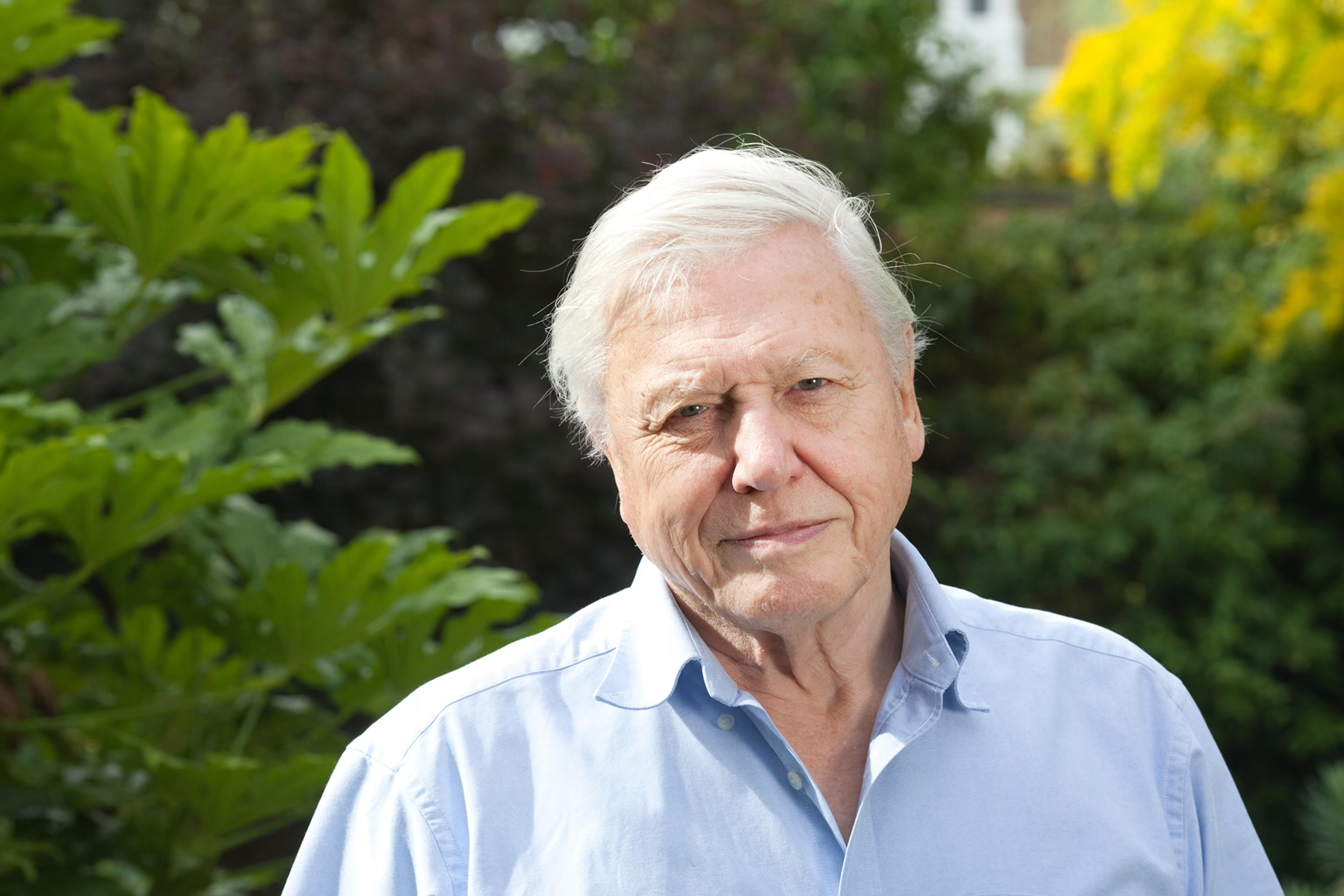
As Sir David Attenborough turns 100, the celebration surrounding his birthday feels less like a tribute to a television broadcaster and more like recognition for someone who fundamentally changed humanity’s relationship with the natural world.
Across seven decades, Attenborough transformed wildlife filmmaking from niche educational programming into one of the most influential forms of environmental storytelling ever created.
Long before climate anxiety entered mainstream conversation, he carried audiences into rainforests, deserts, coral reefs and polar landscapes with a sense of wonder that never felt manufactured. From Zoo Quest in the 1950s to landmark productions including Planet Earth, The Blue Planet and A Life on Our Planet, Attenborough built a visual language rooted in patience, scientific precision and quiet awe.
His influence extends far beyond extraordinary imagery.
Beginning his career during the black-and-white era of British television, Attenborough later became controller of BBC Two and director of programming for BBC Television, helping shape factual broadcasting at a time when educational programming rarely occupied mainstream cultural space.
Decades later, he became the only person to receive BAFTA awards across black-and-white, colour, HD, 3D and 4K broadcasting — a distinction that quietly reflects the extraordinary span of his career.
What distinguished Attenborough from many broadcasters was his refusal to place himself at the centre of the story. Even as his voice became one of the most recognisable in the world, the focus remained firmly on the ecosystems and species he documented, creating emotional connections between viewers and ecosystems they might never physically encounter.
That instinct began long before television. Raised in Leicester in an academic household, Attenborough spent much of his childhood collecting fossils, stones and natural specimens, developing a fascination with wildlife that would shape the rest of his life. developing a fascination with wildlife that would shape the rest of his life.
He later studied geology and zoology at the University of Cambridge, bringing scientific discipline to storytelling that never lost its sense of curiosity.
Over time, his documentaries became an extraordinary record of environmental transformation. While his early productions captured untouched wilderness with discovery and optimism, later work documented melting ice caps, collapsing biodiversity, deforestation and plastic pollution with increasing urgency. And it’s safe to say only few would have chronicled the changing state of the planet across such a vast stretch of time.
That evolution gradually transformed David Attenborough from observer into one of the world’s most influential environmental advocates. A Life on Our Planet moved beyond natural history storytelling into something more personal and direct — a reflection on ecological collapse, climate change and humanity’s responsibility towards the Earth.
His influence became so widespread that many now refer to it as the “Attenborough Effect” — the phenomenon of audiences becoming more environmentally conscious after watching his documentaries. Generations of scientists, conservationists, wildlife filmmakers and activists credit his work with shaping their careers and deepening public engagement with the natural world.
Perhaps most remarkable is the trust Attenborough continues to command in an increasingly fragmented media landscape. For millions across generations, his voice remains associated with credibility, clarity and calm authority. Even while addressing extinction and climate collapse, he avoids sensationalism, choosing instead to approach the subject with humanity, restraint, urgency and moral responsibility.
At 100, Sir David Attenborough stands not only as one of the defining chronicler of the last century, but as one of the natural world’s most important modern guardians. His legacy lives not simply in the extraordinary footage he helped bring to screens, but in the generations he taught to look at the planet with greater attention, humility and care.
For much of the last century, David Attenborough has guided audiences through the story of life on Earth. As he enters his second century, that voice remains as vital — and as necessary — as ever.
What are your favourite David Attenborough documentaries or moments over the years? Share your thoughts with us on X and Instagram, and visit Lyrical Muse for more feature stories.


Leave a Reply