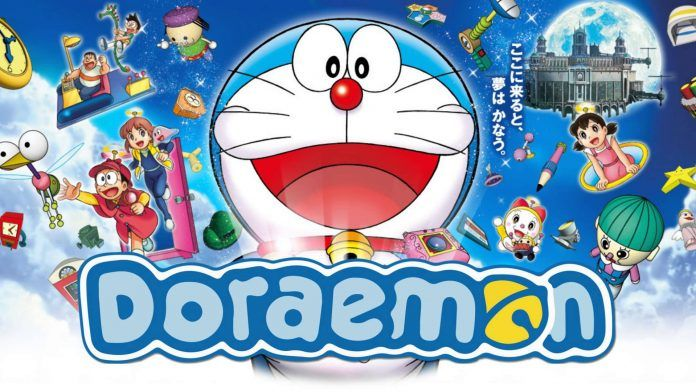
After nearly four decades as a television staple, Doraemon has signed off from Indonesian broadcast television RCTI, marking the end of a 37-year journey that shaped childhoods and viewing habits across generations. The beloved Japanese animated series aired its final episode on RCTI in early January 2026, closing a chapter that began in 1989 and became deeply woven into everyday family life.
For Indonesian audiences, the news landed with emotional weight. Doraemon was not simply another imported cartoon but a ritual, often associated with weekend mornings and after-school hours. Its departure from RCTI prompted a wave of tributes across social media, with viewers revisiting memories of growing up alongside Doraemon, Nobita, Shizuka, Gian, and Suneo. Many described the final broadcast as the quiet end of an era, one that mirrored their own transition from childhood to adulthood.

The conclusion of the show’s run on RCTI does not signal the end of the Doraemon franchise itself. Rather, it reflects a shift in how audiences now consume long-running animated properties. While the Indonesian broadcast has ended, Doraemon continues to air in other international markets and remains available through streaming platforms and digital channels. The original Japanese anime series is still ongoing, with the current iteration, known as the Mizuta Edition and produced by Shin-Ei Animation, having aired since 2005.
Originally created by Fujiko F. Fujio, Doraemon began as a manga series in 1969 and ran until 1996 without a definitive ending. Its transition from page to screen cemented its global reach, turning the robotic cat from the future into one of Japan’s most recognizable cultural exports. Over the decades, the franchise expanded through multiple anime adaptations, feature films, dubbed versions, and an extensive merchandising ecosystem that continues to thrive.
In Indonesia, the show’s longevity was unusual even by global standards. Very few animated series maintain a continuous presence on national television for nearly four decades. Doraemon did so by appealing across age groups, balancing playful science fiction concepts with simple moral lessons about friendship, honesty, responsibility, and empathy. Nobita’s flaws and Doraemon’s patient guidance resonated precisely because they reflected ordinary struggles rather than idealized heroism.
Although RCTI has not issued a detailed statement explaining the decision, the end of Doraemon’s broadcast is widely understood within the context of changing media economics and viewing patterns. Licensing considerations, combined with the steady migration of younger audiences to on-demand platforms, have reduced the cultural centrality of long-running linear television programming. The show’s exit underscores how even the most enduring titles are now subject to the realities of digital-first consumption.
As Indonesian television turns the page, Doraemon continues elsewhere, no longer confined to a fixed time slot but carried forward through digital screens and collective nostalgia. The cartoon may have left RCTI, but its presence in popular culture remains firmly intact.
What did Doraemon mean to your childhood? Share your memories on X and Instagram, and explore more entertainment stories at Lyrical Muse.


Leave a Reply