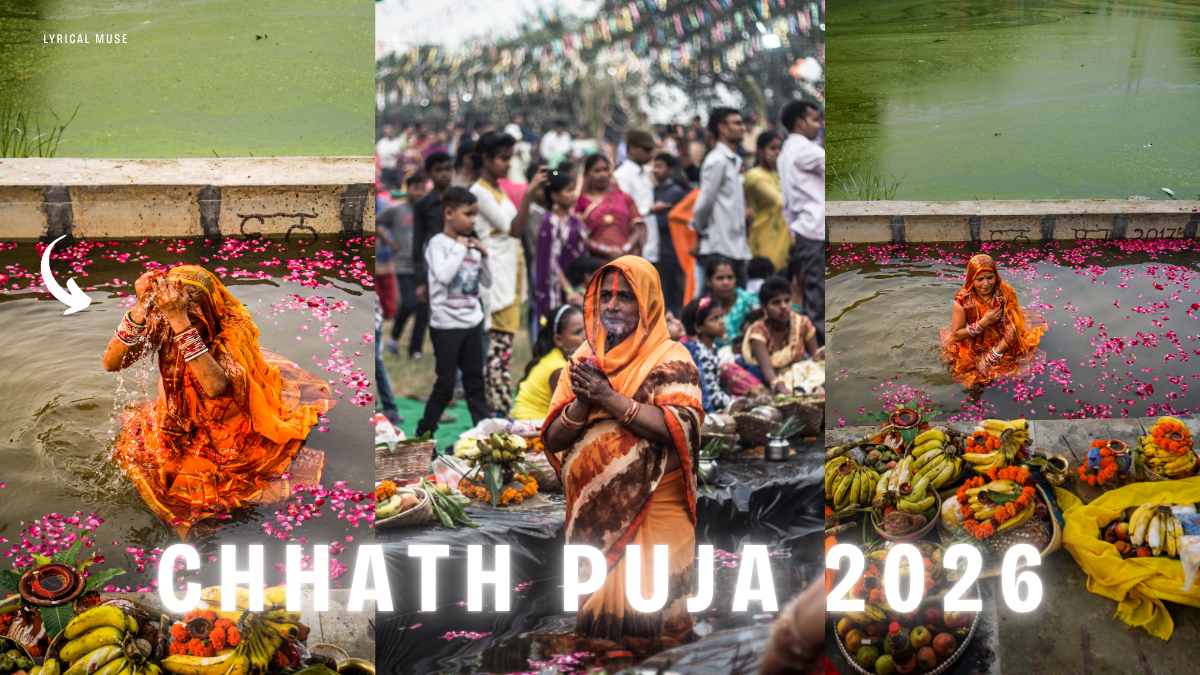
Chhath Puja 2026 concludes on Monday, 16 November, bringing four days of fasting, prayers and traditional offerings dedicated to Surya Dev (the Sun God) and Chhathi Maiya to a close.
One of the most significant festivals in Bihar, Jharkhand and eastern Uttar Pradesh, Chhath is also observed across other parts of India, Nepal and overseas communities. Its rituals are distinctive, particularly for the importance they place on worshipping both the setting and rising Sun.
Unlike festivals centred primarily around temple ceremonies, Chhath Puja sees devotees gather at rivers, ponds and designated ghats to offer prayers. From observing a rigorous fast and dietary restrictions to preparing traditional prasad, each day follows a specific set of customs.
Here’s a closer look at Chhath Puja, its four-day observance, religious significance and the traditions behind its distinctive rituals.
When was Chhath Puja 2026 celebrated?
Chhath Puja was observed from Friday, 13 November, to Monday, 16 November 2026. The main evening offering, Sandhya Arghya, took place on 15 November, followed by Usha Arghya on Monday morning.
The festival is observed during Kartik Shukla Shashthi, the sixth day of the waxing phase of the Hindu lunar month of Kartik. Although the central worship falls on Shashthi, the observance extends across four days, each marked by a specific ritual.

Day 1: Nahay Khay
The festival begins with Nahay Khay, which involves ritual bathing and cleaning the home and cooking areas. Devotees prepare a simple vegetarian meal following traditional rules of purity. Common preparations include rice, chana dal and bottle gourd.
Day 2: Kharna
On Kharna, devotees observe a day-long fast, breaking it after sunset following prayers. Jaggery-based kheer and roti are among the traditional preparations offered as prasad and shared with family members. After this meal, devotees begin a rigorous nirjala fast, traditionally lasting approximately 36 hours without food or water. It continues until the final morning offering.
Day 3: Sandhya Arghya
Families prepare traditional offerings, including thekua, fruits, sugarcane and coconuts, arranging them in bamboo baskets called soop and daura. Before sunset, devotees gather at riverbanks, ponds and designated ghats. Standing in the water, they offer arghya to the setting Sun. Traditional Chhath folk songs accompany the evening prayers. Some households also observe the Kosi ritual during the night.
Day 4: Usha Arghya and Parana
The final day begins before sunrise, when devotees return to the ghats to offer prayers to the rising Sun. Following Usha Arghya, they complete their fast through Parana, after which prasad is distributed among relatives, neighbours and other devotees.
Why is Chhath Puja celebrated?
Chhath Puja is dedicated to Surya Dev and Chhathi Maiya. In Hindu traditions, Surya Dev is associated with light, vitality, health and the energy that sustains life. Devotees offer prayers seeking good health, prosperity and the well-being of their families.
The festival also honours Chhathi Maiya, a deity traditionally associated with the protection of children, motherhood and family welfare. She is often linked with Shashthi Devi in Hindu beliefs.
Its rituals reflect a close relationship with the natural world. Seasonal fruits, agricultural produce, water and sunlight all hold significance during the observance. The emphasis on cleanliness, dietary restrictions and fasting also makes personal discipline an important part of the festival.
What is the story behind Chhath Puja?
Several Hindu mythological accounts are associated with Chhath Puja, although there is no single universally accepted account of its historical origin.
One popular tradition connects the festival to Karna, the son of Surya Dev in the Mahabharata, who is believed to have worshipped the Sun God while standing in water. Another account links the observance to Draupadi, who is said in certain traditional narratives to have performed Sun worship during the Pandavas’ exile.
A Ramayana-associated tradition also connects Lord Rama and Goddess Sita with Surya worship after their return to Ayodhya. These stories form part of the festival’s religious traditions, rather than providing a documented historical account of how the observance began.
Where is Chhath Puja celebrated?
Chhath Puja has its strongest cultural roots in Bihar, Jharkhand and eastern Uttar Pradesh. In Bihar, it is widely known as Chhath Mahaparv, with large gatherings taking place along the Ganga and at other rivers, ponds and community ghats.
The festival is also observed in Delhi, West Bengal, Madhya Pradesh and Chhattisgarh, particularly among communities with roots in eastern India. Beyond the country, families in parts of Nepal and the Indian diaspora continue to observe the tradition. Its celebrations often involve collective preparations, with community organisations and local volunteers helping organise and maintain ghats for the evening and morning rituals.
For devotees, the festival is an expression of faith and gratitude, but it is also an important way of preserving cultural traditions and maintaining connections with their communities. Its distinctive worship of the setting and rising Sun remains at the centre of what makes Chhath Puja unlike many other Hindu festivals.
What does the festival mean to you? Share your thoughts with us on Instagram and X, and explore more culture stories on Lyrical Muse.


Leave a Reply