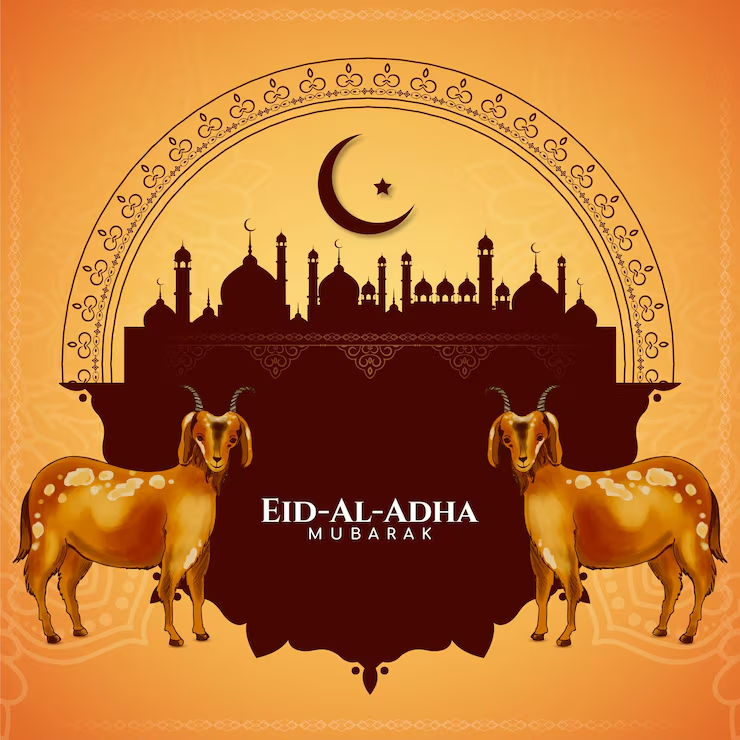
Muslims across India and abroad are celebrating Eid-ul-Adha, also known as Bakrid, today, May 28, marking one of the most significant festivals in Islam. From crowded mosques and community prayers to family gatherings and acts of charity, the festival brings together faith, sacrifice and generosity.
The occasion arrives shortly after the completion of the annual Hajj pilgrimage in Mecca and is observed by millions of Muslims around the world.
What is Eid-ul-Adha?
Eid-ul-Adha, often called the “Festival of Sacrifice”, is the second of the two major Islamic festivals, the first being Eid-ul-Fitr, which marks the end of Ramadan.
The festival commemorates Prophet Ibrahim’s devotion to God and his willingness to sacrifice his son, Ismail, as an act of obedience. According to Islamic tradition, just before the sacrifice was to take place, God replaced Ismail with a ram, rewarding Ibrahim’s faith and submission.
The story remains central to the meaning of Eid-ul-Adha and continues to symbolise sacrifice, compassion and unwavering faith.
Why is Bakrid celebrated after Hajj?
Although Eid-ul-Adha is not directly part of the Hajj pilgrimage, it closely follows its completion and holds deep spiritual significance during the same period.
The festival falls on the 10th day of Dhu al-Hijjah, the final month of the Islamic lunar calendar. Since the Islamic calendar follows moon sightings, the exact date varies each year across countries.
Hajj itself is one of the Five Pillars of Islam and is mandatory once in a lifetime for Muslims who are physically and financially able to undertake the journey.
How do Muslims celebrate Eid-ul-Adha?
The day usually begins with special congregational prayers, known as Eid Salah, held at mosques and open grounds early in the morning. Worshippers wear new or their best clothes and greet one another with “Eid Mubarak”.
Following the prayers, many families perform Qurbani — the ritual sacrifice of an animal such as a goat, sheep, cow or camel. The practice honours Prophet Ibrahim’s sacrifice and follows specific Islamic guidelines regarding the animal’s health and treatment.
The meat from the sacrifice is traditionally divided into three parts: one portion for the family, another for relatives and friends, and the final share for people in need.
For many families, the festival is also about togetherness. Homes prepare festive meals, relatives visit each other, children receive gifts or money known as Eidi, and communities come together in celebration.
Why is charity important during Eid-ul-Adha?
Charity forms a core part of Eid-ul-Adha celebrations. The spirit of the festival emphasises sharing food and ensuring that even the most vulnerable can take part in the celebrations.
Across India, many organisations and local groups distribute meals, meat and essentials to underprivileged families during the festival.
Beyond the rituals, Eid-ul-Adha carries a wider message of empathy, gratitude and community — values that remain at the heart of the celebration each year.
A festival rooted in faith and compassion
As celebrations continue across India and around the world today, Eid-ul-Adha remains far more than a religious observance. For millions, it is a reminder of sacrifice, devotion, generosity and the importance of standing together as a community.
From morning prayers to shared meals and charitable giving, the festival continues to hold deep cultural and spiritual meaning across generations.
Celebrating Eid-ul-Adha this year? Share your joys and experiences with us on X and Instagram, and visit our website for more.


Leave a Reply