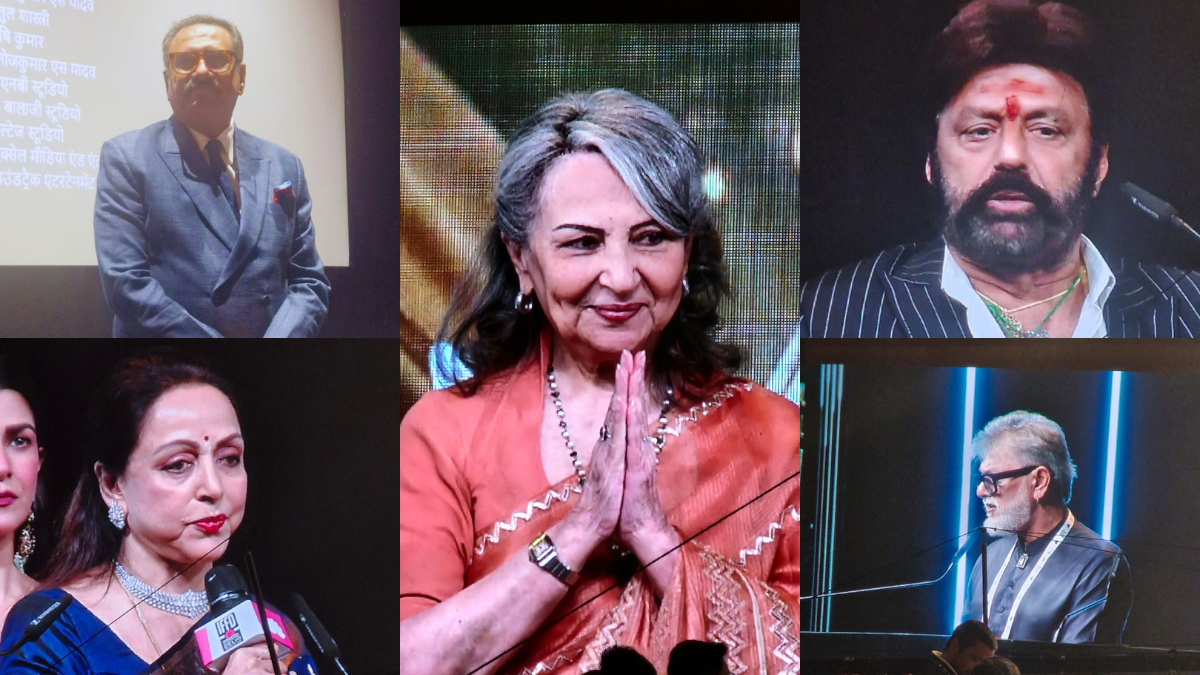
The inaugural International Film Festival Delhi (IFFD) 2026 has wrapped up its first edition with a clear message: the capital is carving out space as a serious cultural destination for global cinema.
Held from Held from March 25-31 at Bharat Mandapam as its central hub and screenings spread across multiple venues in the capital, the week-long debut edition brought together international filmmakers, industry professional, and cinephiles in a format that leaned as much on accessibility as much it did on as scale.

Organised by the Delhi Tourism and Transport Development Corporation (DTTDC) under the Government of NCT of Delhi, IFFD 2026 arrived with an ambitious mandate of creating a platform where audiences could engage with cinema beyond traditional commercial spaces.
With over 2,100 film submissions from more than 100 countries and a final selection of over 125 films from 47 nations, the first edition moved beyond ceremonial optics and presented a diverse and structured programming that reflected both global and regional storytelling.


Screenings opened with the Spanish drama Sirât, directed by Oliver Laxe, and closed with Singaporean film Amoeba, a FIPRESCI award-winning title that brought the week to a thoughtful close.
Across the schedule, films such as Mehta Boys, Nirontara, Tanvi: The Great, Krishna Sada Sahaayate, Sholay and Rang De Basanti drew strong audience attention, highlighting a mix of contemporary narratives and familiar classics.
The Gujarati-language devotional drama Krishna Sada Sahaayate, in particular, stood out for its introspective storytelling rooted in faith and redemption, reflecting the festival’s effort to give space to independent and regional voices alongside international titles.


Beyond screenings, the festival leaned into industry and cultural engagement through platforms such as CineXchange and CineVerse.
CineXchange functioned as the professional market and networking forum, bringing together producers, distributors, OTT platforms, and international delegates for structured meetings, pitch forums, and collaborations.
While CineVerse expanded the festival’s cultural footprint with exhibitions on Indian cinematography, vintage film art, the legacy of Satyajit Ray, Shakti Samanta’s birth centenary, and tributes to legends such as Dharmendra and Sharmila Tagore.


The hub-and-spoke model worked in favour of audience engagement, turning the festival into a citywide cultural activity rather than a closed-door industry event.
The presence of prominent industry figures, including Sharmila Tagore, Vicky Kaushal, Kangana Ranaut, Hema Malini, Anupam Kher, Bhumi Pednekar, Arjun Kapoor, Nimrat Kaur, Sanya Malhotra, Boman Irani, Siddhant Chaturvedi, Rakeysh Omprakash Mehra, and others, added visibility to the event.
Initiatives such as the “Her Lens: Women in Films at IFFD” programme and the AI Filmmaking Hackathon reflected a conscious push toward inclusivity and innovation, while international collaborations, including Spain as the Country of Focus and partnerships with global film platforms, strengthened the festival’s cultural exchange ambitions.


Audience engagement emerged as one of the defining aspects of the inaugural edition. Screenings, discussions, and post-film interactions created a space where viewers could engage directly with filmmakers and actors, turning the festival into an open cultural forum rather than a closed industry event.
Photographer Obaid Niazi, who attended the International Film Festival Delhi nearly every day and closely followed multiple screenings, described the experience as deeply engaging. “I attended the festival almost every day, and even on the last day I was heading to Bharat Mandapam because there was always something meaningful happening,” he said, pointing to the steady stream of screenings and conversations that kept audiences involved throughout the week.
Niazi noted that screenings such as Mehta Boys and Nirontara stood out, particularly because personalities like Boman Irani and Prosenjit Chatterjee were present to discuss their films and interact with viewers.
“The Q&A sessions made the experience even more engaging, as audiences could directly interact with the creators and understand the deeper layers of the storytelling,” he added. He also watched Tanvi: The Great, directed by Anupam Kher, calling it “a touching film about an autistic child,” and said the screening made the closing day feel emotionally powerful and memorable.
IFFD 2026 also positioned itself as a long-term cultural project rather than a one-time event. With industry discussions around film tourism, infrastructure development, and the proposed Delhi Film City, the festival signalled a broader ambition to integrate cinema into the capital’s cultural and economic landscape.
As the curtains fall on its debut edition, the International Film Festival Delhi leaves behind more than just a week of screenings. It establishes a starting point for Delhi’s evolving relationship with cinema, where audiences, creators, and global collaborators find common ground through storytelling.
If sustained with consistent programming and meaningful partnerships, IFFD has the potential to turn the capital into a regular meeting ground for world cinema, shaping a cultural space where film is not just watched, but discussed, preserved, and continuously reimagined.
(Image Credit: Courtesy of Obaid Niazi)
Have you attended the IFFD 2026? Share your experience or favourite screenings with us on X and Instagram. Follow Lyrical Muse and be part of the growing conversation around cinema and culture.


Leave a Reply